Pressure washing is one of the most effective ways to clean exterior surfaces. However, using the wrong pressure on the wrong surface can cause serious — and sometimes irreversible — damage. Here's what you need to know about keeping your property safe during cleaning.
Surfaces That Are Safe for Pressure Washing
These hard, durable surfaces can generally withstand high-pressure cleaning when done correctly:
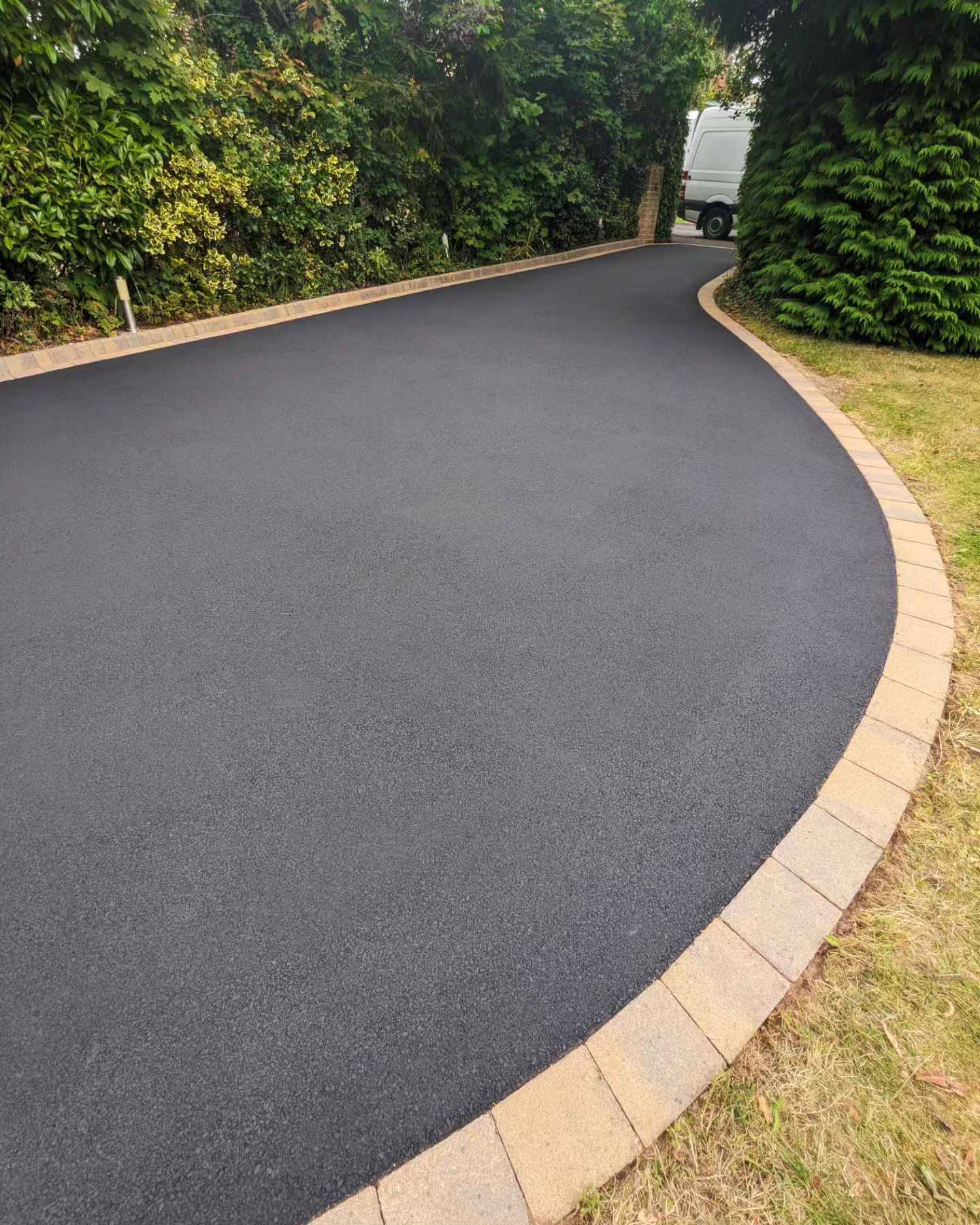
✅ Concrete
Concrete is one of the most durable surfaces and handles pressure washing well. Use a rotary surface cleaner for an even finish without "zebra stripes" that hand-held lances can leave.
✅ Block Paving
Block paving responds brilliantly to pressure washing, but the correct pressure must be used to avoid damaging the joint sand. Always re-sand after cleaning.
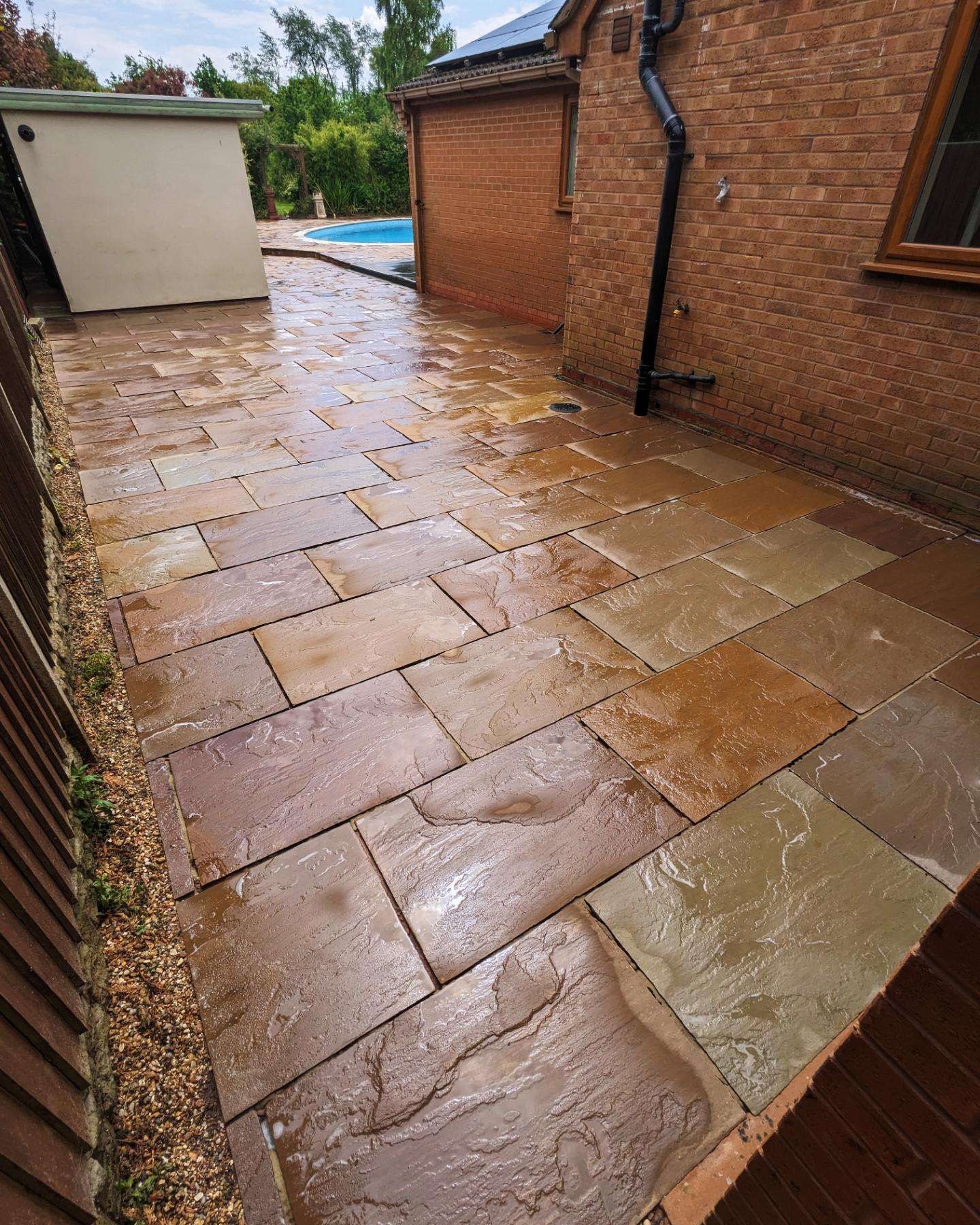
✅ Natural Stone (most types)
Granite, sandstone, and slate handle pressure washing well at moderate settings. However, softer stones like limestone need lower pressure and more care.
✅ Porcelain and Ceramic Tiles
These non-porous surfaces clean up beautifully with pressure washing and are very resistant to damage.
Surfaces That Need Extra Care
These surfaces require reduced pressure, specialist techniques, or soft washing:
⚠️ Render (K-rend, Monocouche, Silicone)
High pressure can blow holes in render, force water behind the surface, and cause damp. Always use soft washing for rendered walls.
⚠️ Wooden Decking and Fencing
Excessive pressure splinters timber, raises the wood grain, and can leave the surface rougher than before. We use carefully controlled low-to-medium pressure for all wood surfaces.
⚠️ Roof Tiles
High pressure can crack tiles, dislodge ridge mortar, and force water under tiles into the roof space. Professional roof cleaning uses low-pressure soft washing combined with manual moss removal.
⚠️ Painted Surfaces
High pressure strips paint easily. If the paint is sound and you want to keep it, soft washing is the only safe option.
Surfaces You Should Never Pressure Wash
❌ Single-Glazed Windows
The force can crack old glass and damage putty seals.
❌ Electrical Fixtures
Outdoor lights, sockets, and meter boxes must be avoided or properly protected.
❌ Damaged or Loose Surfaces
Cracked render, loose pointing, or damaged tiles will only get worse with pressure washing. Repairs should be made first.
Why Professional Cleaning Matters
A professional cleaning team knows exactly which method, pressure setting, and nozzle type to use for every surface on your property. This knowledge comes from training and experience — it's not something you can learn from a YouTube video.
At Leicester Jet Washers, we carry out a thorough assessment before any work begins. We adjust our approach for every different surface, ensuring outstanding results without any risk of damage.
Get Expert Advice for Your Property
Not sure if pressure washing is right for your surface? Contact us for free, honest advice. We'll recommend the safest and most effective cleaning method for your specific needs.
Call 07862 265412 or WhatsApp us for a quick response.