Whether it's a leaky car, a lawnmower mishap, or a dropped bottle of motor oil, oil stains on driveways are incredibly common — and frustratingly difficult to remove. Here's our professional guide to tackling them effectively.
Act Fast: Dealing with Fresh Oil Spills
The sooner you address an oil spill, the easier it is to remove. For fresh spills:
- Absorb the excess: Cover the spill with cat litter, sawdust, or sand and leave for several hours (ideally overnight) to absorb as much oil as possible.
- Sweep up: Remove the absorbent material and dispose of it responsibly.
- Apply degreaser: Use a specialist driveway degreaser (available from most DIY stores) and scrub with a stiff brush.
- Rinse thoroughly: Wash away the degreaser with clean water.
Removing Old, Set-In Oil Stains
Older stains require more aggressive treatment. Here are methods that work for different surfaces:
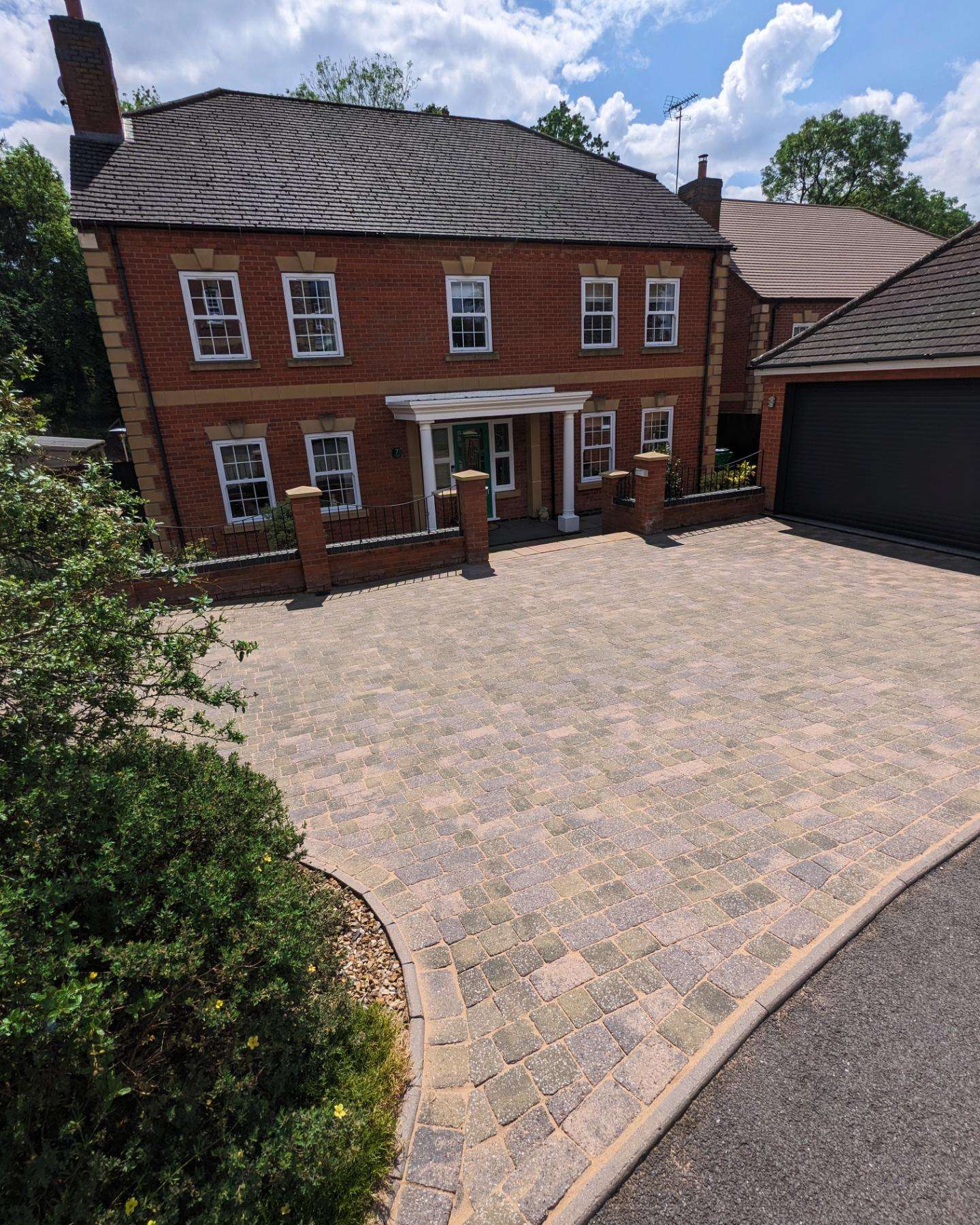
On Block Paving
Block paving is porous and absorbs oil deeply. For stubborn stains:
- Apply a specialist block paving degreaser and leave for the recommended dwell time
- Scrub with a stiff nylon brush (avoid wire brushes which can scratch)
- Professional hot-water pressure washing is often the most effective solution
- Severely stained individual blocks can sometimes be lifted, flipped, and relaid
On Concrete
Concrete is also porous but responds well to treatment:
- Create a paste of baking soda and water, apply to the stain, and leave overnight
- Commercial concrete degreasers with microbe-based formulas can "eat" the oil over several applications
- Professional pressure washing with pre-treatment typically removes all but the deepest stains
On Tarmac
Tarmac is actually made with bitumen (a petroleum product), so oil-based products can dissolve the surface. Be careful:
- Use only water-based degreasers — never solvent-based products
- Avoid aggressive scrubbing which can damage the surface
- Professional cleaning is strongly recommended for tarmac driveways
Prevention Is Better Than Cure
To protect your driveway from future oil stains:
- Use drip trays: Place drip trays under vehicles that are known to leak.
- Apply sealant: Block paving and concrete sealants create a protective barrier that makes spills much easier to clean.
- Regular maintenance: Keep your vehicles well-maintained to prevent leaks.
- Act quickly: The faster you address a spill, the less likely it is to become a permanent stain.
When to Call the Professionals
If home remedies haven't worked, or you have multiple stains across a large area, professional driveway cleaning is the most effective solution. Our commercial-grade equipment and specialist treatments can remove stains that domestic methods simply cannot.
Get a free quote for professional oil stain removal, or call 07862 265412.